
Everyone Else's Life Looks Better Than Yours—And It's Making You Miserable
You open Instagram. Someone from high school just bought a house. Your colleague is on another vacation. That influencer has the body you want. Your friend's relationship looks perfect. Everyone seems happier, more successful, more put-together than you.
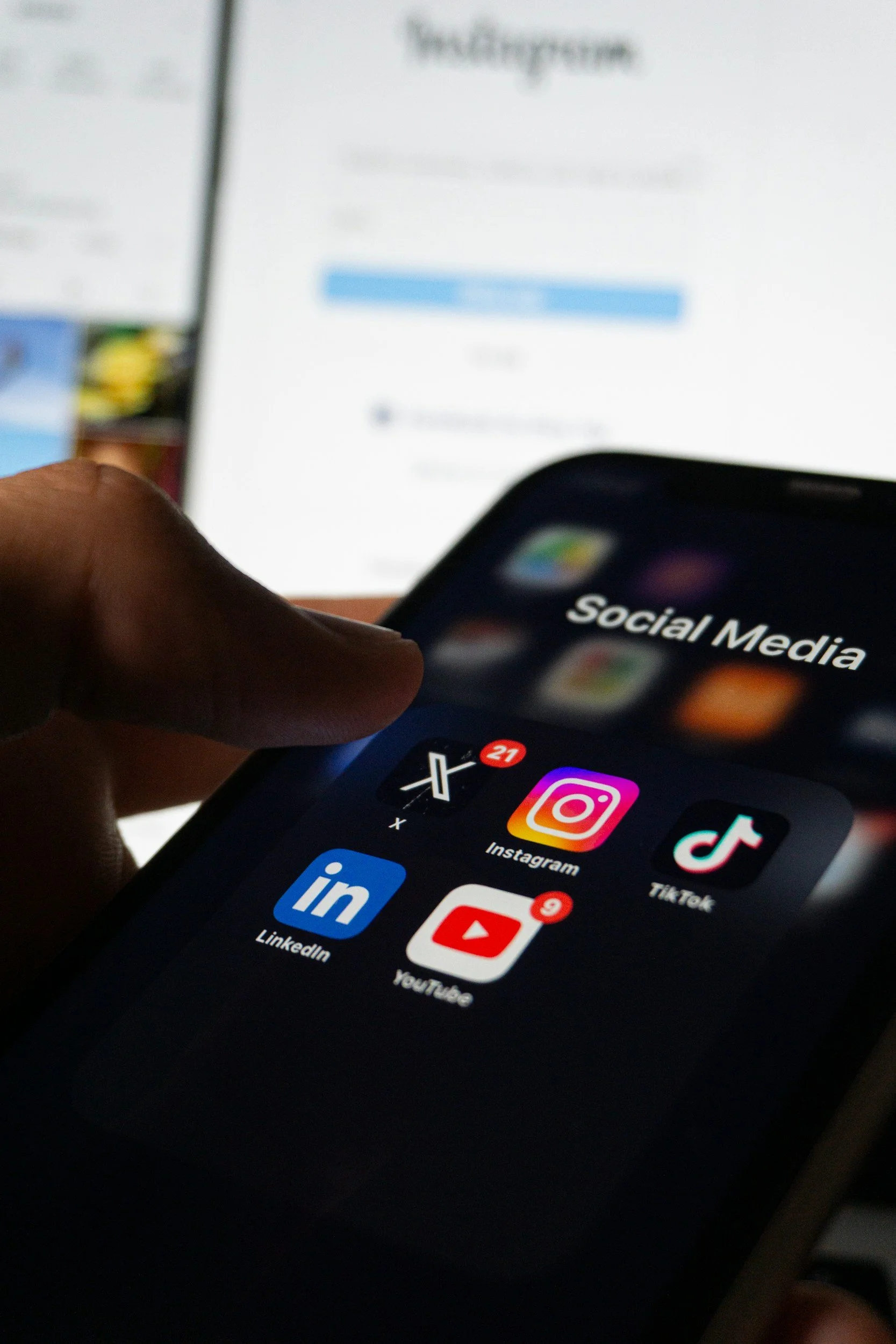
You close the app feeling worse than when you opened it. Your own life—which felt okay moments ago—now feels inadequate. You're behind. You're not doing enough. You're not enough.
This is the comparison trap, and social media has made it inescapable. What used to be occasional comparison (seeing a neighbor's new car, hearing about a friend's promotion) is now a constant stream of other people's highlight reels—and it's taking a serious toll on mental health.
Why Social Media Fuels Comparison
You're Comparing Your Behind-the-Scenes to Everyone Else's Highlight Reel
Social media shows curated moments: the vacation, the achievement, the perfect photo. What it doesn't show: the argument that happened before that couple's photo, the debt behind that lifestyle, the anxiety underneath that confident post.
You're comparing your messy, unfiltered reality to everyone else's carefully curated presentation. It's an unfair comparison—but your brain doesn't automatically recognize that.
Algorithms Feed You Content That Triggers Comparison
Social media platforms are designed to keep you scrolling. Content that triggers emotional reactions (including envy, inadequacy, FOMO) keeps you engaged—so that's what the algorithm shows you.
You're not weak for feeling bad. You're responding exactly as the platform is designed to make you respond.
It's Constant and Inescapable
Before social media, you'd occasionally hear about someone's achievement or see evidence of their success. Now it's a constant stream. Every time you check your phone (dozens of times daily), you're exposed to more reasons to feel behind.
Numbers Make Comparison Quantifiable
Likes, followers, comments—social media turns social validation into measurable metrics. This makes comparison concrete: "They have 10,000 followers and I have 200. I must be doing something wrong."
The Mental Health Cost of Constant Comparison
Anxiety and Inadequacy
Comparison fuels anxiety: "I should be further along by now. Everyone else has it figured out. I'm falling behind." The pressure to keep up—or at least appear to keep up—is constant.
Depression and Low Self-Worth
Chronic comparison erodes self-esteem. When everyone else's life looks better, it's hard to feel good about your own. This can contribute to or worsen depression.
FOMO (Fear of Missing Out)
Seeing what everyone else is doing creates persistent fear that you're missing out on experiences, opportunities, or connection. This drives compulsive checking and makes it hard to be present with your actual life.
Envy and Resentment
Constant exposure to others' success or happiness can breed resentment—toward them for having what you want, and toward yourself for not measuring up.
Distorted Perception of Reality
When you spend significant time on social media, your perception of "normal" gets skewed. You start believing everyone else is happier, wealthier, more successful, better-looking than they actually are—and than is statistically possible.
Why We Can't Just "Stop Comparing"
Comparison is hardwired. Humans have always evaluated themselves relative to others—it's how we assess where we stand socially. The problem isn't comparison itself; it's the volume and nature of comparisons social media enables.
Telling yourself to "just stop" doesn't work because:
The behavior is automatic and unconscious
Social media is designed to be addictive
FOMO makes disconnecting feel risky
Social and professional pressure to maintain presence
Changing your relationship with social media requires more than willpower.

The South Florida Social Media Effect
In image-conscious areas like Jupiter and Palm Beach Gardens, social media comparison can be particularly intense. There's already cultural emphasis on success, appearance, and lifestyle—and social media amplifies it.
Everyone's posting their boat days, their new cars, their luxury vacations. If your life doesn't match that curated version of "normal," the inadequacy can feel crushing.
How to Break Free From the Comparison Trap
Audit Your Feed
Unfollow accounts that consistently make you feel bad. This isn't mean—it's self-care. Follow accounts that inspire, educate, or genuinely bring joy rather than envy.
Set Boundaries
Use app timers, designated phone-free times, or delete apps from your phone (you can still access via browser). Physical barriers help break automatic checking.
Remind Yourself: It's Curated
When you see something that triggers comparison, actively remind yourself: "This is their highlight reel, not their reality." What you're seeing is performance, not truth.
Focus on Your Values, Not Others' Metrics
What actually matters to you? Connection? Creativity? Peace? Growth? When you're clear on your own values, others' achievements become less threatening—because you're not playing the same game.
Practice Gratitude for Your Own Life
This isn't toxic positivity. It's actively noticing what's working in your life instead of only seeing what's missing. Gratitude doesn't mean settling—it means acknowledging the good while working toward more.
Limit Sharing Your Own Highlight Reel
The more you curate your own life for presentation, the more trapped you become in that performance. Reducing what you share can reduce the pressure to maintain an image.
How Therapy Helps
Identifying What Comparison Is Protecting You From
Sometimes constant comparison serves a function: distracting from deeper dissatisfaction, maintaining connection to others, or avoiding looking directly at your own life. Therapy helps you understand what role comparison plays for you.
Addressing Underlying Self-Worth Issues
Comparison thrives when self-worth is fragile. If you need external validation to feel okay, social media becomes toxic. Therapy helps build internal worth that's less dependent on comparison.
Working on Actual Dissatisfaction
Sometimes comparison highlights genuine dissatisfaction with your life. If you're stuck in a job you hate, isolated, or unfulfilled, comparison makes it worse—but the real issue isn't the comparison, it's the underlying dissatisfaction.
We help you address what's actually bothering you instead of just managing comparison symptoms.
Treating Anxiety or Depression
If social media comparison is feeding anxiety or depression, treating those conditions directly often reduces susceptibility to comparison thinking.
Building Healthier Relationship With Technology
Therapy helps you create boundaries and strategies around social media that actually work for your life and brain.

Your Life Doesn't Need to Look Like Anyone Else's
If social media comparison is stealing your peace, making you feel perpetually behind, or fueling anxiety and depression, it's time to address it. You deserve to experience your life—not spend it measuring how it stacks up against everyone else's curated version.
At Nurture Health Therapy Group in Palm Beach Gardens and Jupiter, we help people break free from comparison thinking and build self-worth that isn't dependent on external validation.
We also support clients dealing with anxiety and depression fueled by social media.
If comparison is making you miserable, reach out today. Our free consultation can help you understand how therapy might support you in reclaiming your sense of worth—and your peace of mind.
