
Understanding the Invisible Wounds of First Responders
In Jupiter, Florida, and communities across the nation, first responders stand as pillars of strength, courageously facing critical incidents that most of us can barely imagine. From emergency medical services and law enforcement to firefighters and dispatchers, these dedicated individuals are often the first on the scene, witnessing trauma, loss, and human suffering firsthand. Yet, beneath their resilient exterior, an invisible battle often rages: the hidden impact of cumulative trauma. While society rightly hails their heroism, the profound psychological toll of their work often goes unacknowledged, leading to silent struggles that can affect their careers, relationships, and overall well-being. This is where specialized First Responders Counseling & Trauma Therapy in Jupiter Florida becomes not just beneficial, but essential.
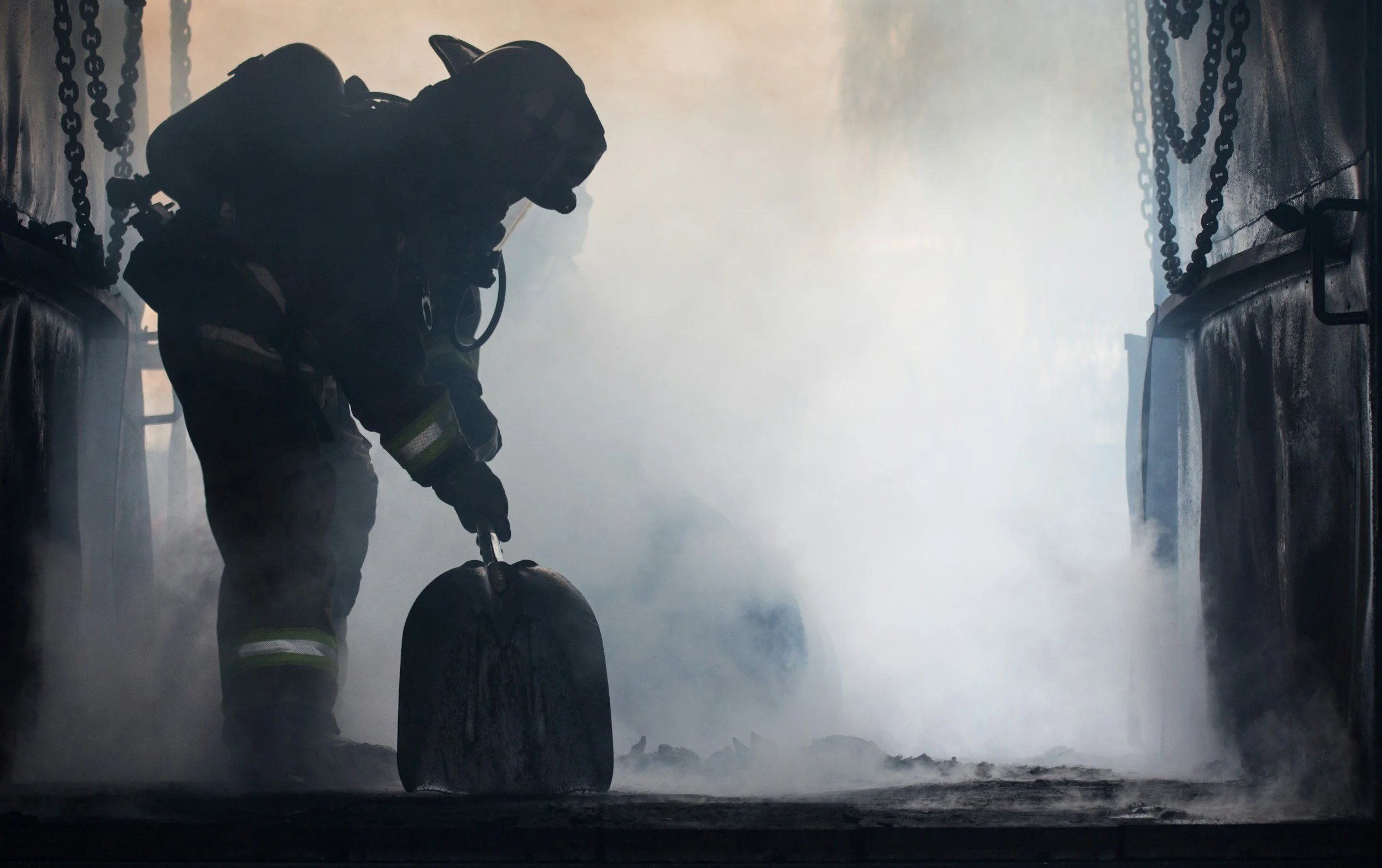
The demanding nature of these professions means constant exposure to high-stress situations, often involving life-or-death decisions. Unlike other professions, first responders rarely have the luxury of processing one traumatic event before being called to the next. This relentless cycle can lead to a unique form of psychological strain, far beyond typical job stress. Understanding this hidden impact is the first step towards providing the support and healing that these invaluable members of our community deserve.
The Cumulative Impact: Beyond Single Incidents
When we think of trauma, we often picture a single, catastrophic event. However, for first responders, the reality is far more complex. Their experience is frequently defined by cumulative trauma – the accumulation of numerous smaller, yet significant, stressors and traumatic exposures over time. This continuous exposure can erode mental and emotional resilience in ways that are often subtle at first, but profoundly impactful in the long run.
What is Cumulative Trauma?
Cumulative trauma, sometimes referred to as 'compassion fatigue' or 'vicarious trauma,' describes the 'wear and tear' on an individual's psychological well-being from repeated exposure to distressing events. Imagine a series of tiny cracks forming in a protective shield; individually, they might not seem significant, but over time, they weaken the entire structure. For first responders, these 'cracks' come from responding to countless emergencies: accidents, violent crimes, natural disasters, medical emergencies, and the daily grind of witnessing human suffering. Each incident, even if managed professionally at the moment, leaves a trace. Over months and years, these traces build up, leading to a profound impact on the nervous system and overall mental health.
This constant state of alert, the need to suppress natural emotional responses to function in crisis, and the recurring exposure to graphic scenes can recalibrate the brain's stress response system. What began as a healthy adaptive mechanism to danger can become a chronic state of hypervigilance, making it difficult to relax, sleep, or connect with others even when off duty. This insidious buildup often goes unnoticed by the individual themselves, as they are trained to be strong and stoic, making it challenging to recognize when the burden becomes too heavy.
Recognizing the Signs of Trauma in First Responders
The manifestations of cumulative trauma can be varied and often misunderstood, both by the first responder and those around them. It's crucial to understand that these are not signs of weakness, but rather normal human reactions to abnormal, sustained exposure to stress and trauma. Recognizing these signs is the first step toward seeking appropriate support like Trauma Therapy Jupiter Florida. Common indicators include:
Emotional Changes: Increased irritability, persistent anxiety, feelings of sadness or depression, emotional numbness, difficulty experiencing joy or pleasure, sudden mood swings, or a sense of detachment from loved ones.
Cognitive Shifts: Difficulty concentrating, memory problems, intrusive thoughts or flashbacks related to incidents, hypervigilance (feeling constantly on guard), or a negative outlook on life and the future.
Behavioral Patterns: Social withdrawal, isolation from friends and family, increased use of alcohol or substances as a coping mechanism, changes in sleep patterns (insomnia or nightmares), engaging in risky behaviors, or difficulty maintaining close relationships.
Physical Symptoms: Chronic fatigue, unexplained headaches or body aches, digestive issues, increased heart rate, or heightened startle response.
It's important to differentiate these symptoms from typical stress. While stress is a temporary response to demanding situations, trauma symptoms are persistent and can significantly impair daily functioning and quality of life. If you or a loved one in a first responder role are experiencing these challenges, understanding that specialized support is available is vital. Trauma Therapy can provide tailored strategies for processing these experiences.
Breaking the Silence: Stigma and Barriers to Seeking Help
Despite the clear need for mental health support, many first responders face significant barriers when it comes to seeking help. The very culture that defines their profession – one of strength, self-reliance, and unwavering courage – can inadvertently foster a climate where vulnerability is perceived as a weakness. This creates a challenging environment for addressing the hidden impacts of trauma.
The Culture of Silence
First responder professions often have a deeply ingrained culture that prioritizes toughness and stoicism. There's an unspoken expectation to 'suck it up,' 'handle it,' and move on to the next call. This culture, while fostering incredible resilience and camaraderie in the face of danger, can also lead to a 'code of silence' around mental health struggles. The fear of being stigmatized, judged by peers, or even facing career repercussions (such as being deemed unfit for duty) is a powerful deterrent for many. This fear can prevent individuals from admitting they are struggling, leading them to suffer in silence rather than reach out for the specialized support they desperately need. The idea that seeking help might invalidate their professional identity or compromise their ability to perform can be a significant internal conflict.
Why Specialized Support Matters
For first responders, generic therapy approaches may not always be sufficient. Their experiences are unique, often involving exposure to graphic details, moral dilemmas, and a professional culture that outsiders may not fully grasp. This is why specialized First Responders Counseling is so critical. A therapist who understands the nuances of a first responder's world – the language, the hierarchy, the types of calls, and the unique stressors – can build trust more effectively and provide more relevant, empathetic support. They can help process traumatic memories without judgment, validate intense emotions, and equip individuals with coping mechanisms tailored to their specific challenges. Such specialized care ensures a safe, confidential, and judgment-free space where first responders can openly share their experiences and begin the healing process without fear.
Pathways to Healing and Resilience: First Responders Counseling & Trauma Therapy
The good news is that healing from cumulative trauma is not only possible but also a testament to incredible strength. Engaging in specialized First Responders Counseling & Trauma Therapy in Jupiter Florida provides a structured and supportive path to process difficult experiences, develop robust coping strategies, and reclaim a sense of well-being and purpose.
The Power of Specialized Trauma Therapy
Effective trauma therapy for first responders focuses on several key areas: processing traumatic memories, regulating intense emotions, and rebuilding a sense of safety and control. Therapies such as Eye Movement Desensitization and Reprocessing (EMDR), Cognitive Behavioral Therapy (CBT), and Somatic Experiencing are often utilized due to their efficacy in addressing trauma. These approaches help individuals to:
Process Traumatic Memories: Rather than reliving events, therapy helps to integrate fragmented memories into a coherent narrative, reducing their emotional charge and intrusive nature.
Regulate Emotions: Learning skills to manage anxiety, anger, sadness, and other intense feelings, preventing them from overwhelming daily life.
Develop Coping Strategies: Building a toolkit of healthy ways to deal with stress, hypervigilance, and emotional triggers, moving away from unhelpful coping mechanisms.
Restore Connection: Addressing feelings of isolation and detachment, fostering healthier relationships with family, friends, and colleagues.
Engaging in this type of work is not about forgetting or erasing experiences, but about transforming their impact so that they no longer dictate one's life. It's about building resilience and finding a way to continue serving with strength and renewed well-being.
Nurture Health's Approach to First Responders Counseling in Jupiter, Florida
At Nurture Health, we understand the profound sacrifices and unique challenges faced by first responders in Jupiter, Palm Beach Gardens, and surrounding areas. Our practice is dedicated to providing confidential, compassionate, and expert Trauma Therapy in Jupiter Florida specifically tailored to the needs of emergency personnel. We recognize the importance of working with therapists who are not only highly skilled in trauma-informed care but also possess an informed understanding of the first responder culture.
Our approach emphasizes creating a safe, non-judgmental space where you can explore your experiences without fear of stigma or misunderstanding. We focus on evidence-based therapies designed to address the specific symptoms of cumulative trauma, helping you to process difficult events, manage stress, and build lasting resilience. We believe that seeking help is a sign of immense strength and a proactive step towards preserving your mental and emotional health, both on and off duty. We are here to support you in navigating the complexities of your profession and fostering a fulfilling life. For those experiencing sustained professional pressures, our Burnout Therapy services can also provide critical support.
Taking the First Step Towards Well-being
The bravery of first responders extends beyond the calls they answer; it also lies in their willingness to seek support when the hidden impacts of trauma begin to surface. Prioritizing your mental health is not a luxury; it is a necessity for sustained performance, personal well-being, and a thriving life. The cumulative burden of trauma can be immense, but you do not have to carry it alone. Research consistently highlights the prevalence of mental health challenges among first responders, underscoring the critical need for accessible and specialized care. [SOURCE: National Alliance on Mental Illness (NAMI) reports on First Responder Mental Health].
If you are a first responder in Jupiter, Florida, or the surrounding Palm Beach Gardens area, and you recognize the signs of cumulative trauma, or simply wish to proactively safeguard your mental health, Nurture Health is here to help. Taking the first step towards a confidential consultation is a powerful act of self-care. Reach out today to connect with a therapist who understands your world and is equipped to guide you towards healing and renewed resilience. Your well-being is paramount, and expert support is available to help you navigate these challenging paths with strength and compassion.
