
How to Stop the Blame Game in Your Relationship
Blame is one of the most natural human impulses in conflict — and one of the most corrosive relationship habits there is. When something goes wrong, our brains are wired to look for a cause. And in a relationship, "the cause" too often becomes "my partner." The problem with that framing isn't just that it creates defensiveness (it does). It's that it focuses on who is responsible rather than what can change — and that distinction makes all the difference.
If you and your partner regularly find yourselves in arguments where the main event is figuring out whose fault something is, this post is for you. At Nurture Health Therapy Group, we work with couples in Jupiter and Palm Beach Gardens, FL who are exhausted by the cycle of blame and defensiveness and want to find a better way to handle conflict together.
Why We Blame (Even When We Don't Mean To)
Blame rarely feels like blame from the inside. It usually feels like setting the record straight. Like making sure your partner understands the impact of what they did. Like not being taken advantage of. These are understandable motivations. But the way blame gets expressed — "You always do this," "That's your fault," "If you had just listened to me," "Of course you did that" — almost always triggers defensiveness rather than accountability.
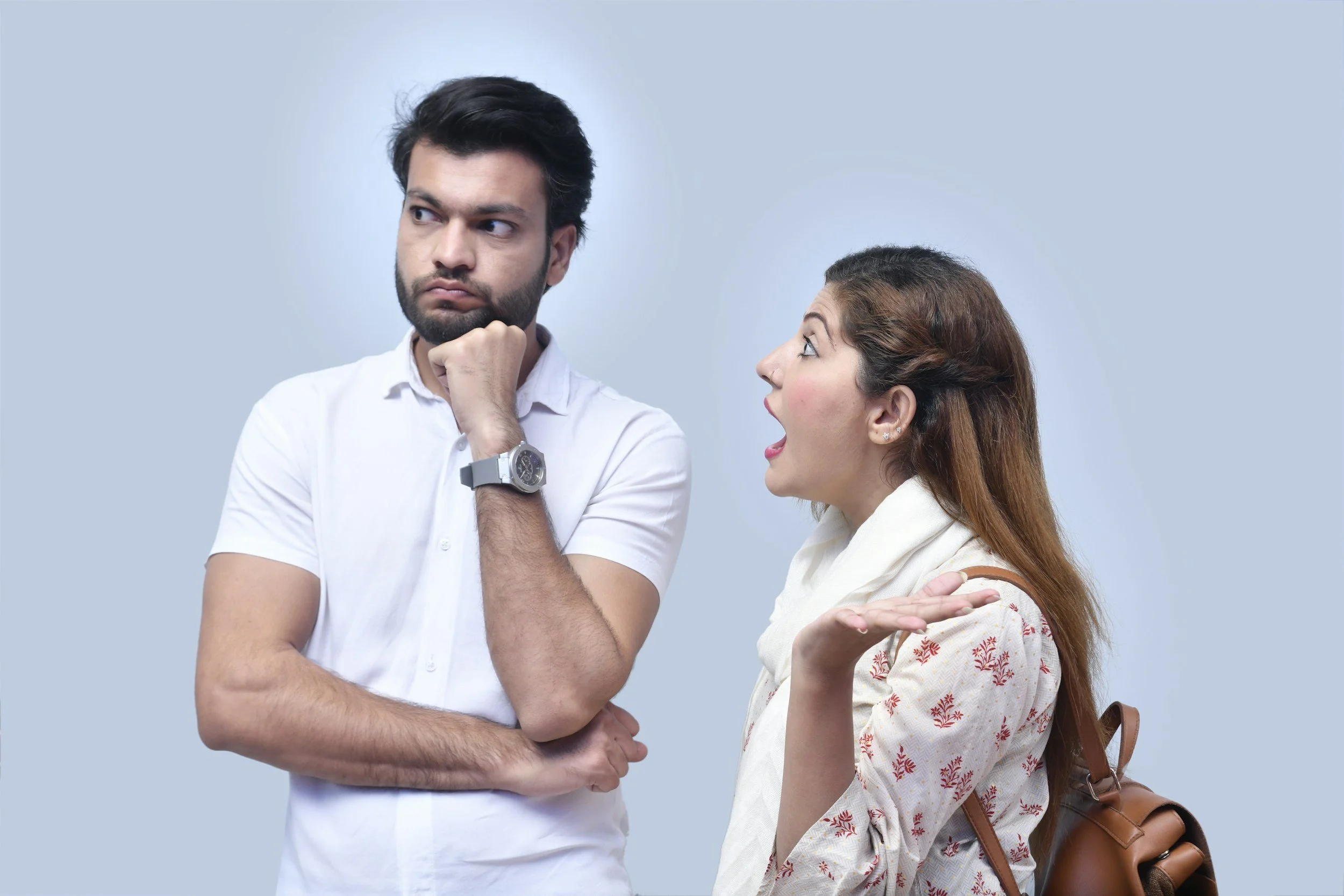
Blame is often driven by:
Feeling unheard or dismissed — escalating a complaint into accusation because softer versions didn't seem to land
Fear of being wrong — if it's their fault, it's not mine, and my self-image stays intact
A history where accountability was modeled as blame — this is just what conflict looked like growing up
Underlying hurt that can't find its right words — "You ruined the evening" instead of "I was really looking forward to tonight and I felt disappointed"
A relationship dynamic where both partners feel chronically misunderstood — blame becomes the only tool that feels powerful enough
Understanding why you blame — or why your partner does — isn't about excusing it. It's about being able to address what's actually driving it.
What Blame Actually Costs Your Relationship
The problem with the blame game isn't just that it's unpleasant. It actively prevents the things that would help. When one person is blamed, they almost universally become defensive — because self-protection is a basic human response. In defensiveness mode, people cannot hear feedback, take accountability, or connect with empathy. They're too busy defending themselves.
So a pattern that begins with "I want you to understand my experience" ends in two people who are further from understanding each other than when they started. Over time, this cycle creates:
An atmosphere where neither partner feels safe being honest
Resentment that builds without release
A sense that conflict is dangerous and should be avoided
Contempt — the most dangerous predictor of relationship failure, according to research by Dr. Gottman
The Shift from Blame to Accountability
The goal isn't to stop holding each other accountable — it's to do it in a way that actually works. Here's the difference:
Blame says: "You made me feel this way."
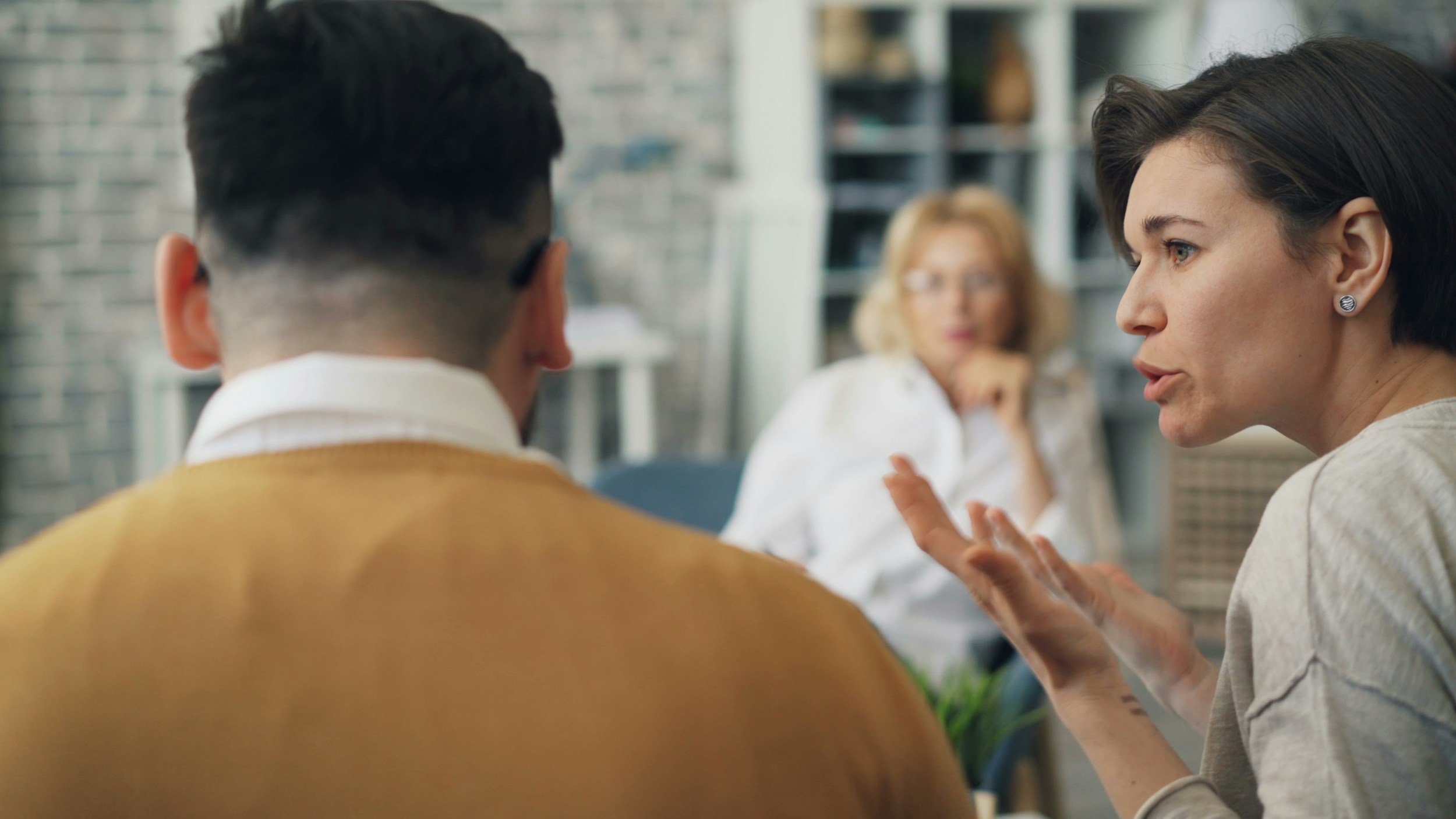
Accountability says: "When this happened, I felt this way. Can we talk about it?"
Blame says: "You always do this."
Accountability says: "I've been noticing a pattern that I want to bring up."
Blame says: "This is your fault."
Accountability says: "I think there were things we both could have done differently. Can we look at that together?"
This shift is not about pretending you don't have grievances. It's about expressing them in a form that can actually be received — which dramatically increases the chance that something will change.
Practical Tools for Breaking the Blame Cycle
Use "I" statements, but go deeper than the basics. "I feel hurt when..." is better than "You hurt me by..." — but the most powerful version includes what you need: "I feel hurt when plans change at the last minute, and what I need is a little more advance notice when possible." Need + feeling = something your partner can actually do something with.
Take responsibility for your part — genuinely, not strategically. If you went into a conversation too hot, if your tone was sharp, if you said something you didn't mean — owning that, without immediately pivoting to what your partner did wrong, is one of the most disarming things you can do in a conflict. It models the accountability you want to see.
Separate the problem from the person. "This situation is creating a problem" is very different from "You are the problem." The first invites collaboration. The second invites a wall.
Agree on a timeout protocol. When an argument is heading into blame-and-defend territory, having an agreed-upon signal to pause — and actually pausing, rather than continuing to escalate — prevents a lot of damage. The goal is to come back when both people are regulated enough to actually talk, not to win by outlasting each other.
After the fight, debrief the fight. Not to relitigate who was right, but to understand: "What happened there? What were we each really trying to say? What do we want to do differently next time?" Treating arguments as information, rather than as battlegrounds, is one of the hallmarks of emotionally healthy couples.
When the Pattern Is Too Entrenched to Change Alone
If blame and defensiveness are the default mode in your relationship — if you can't seem to get through a hard conversation without one or both of you going into attack-or-defend mode — couples counseling can help you break the cycle with the support of a skilled third party who can see the pattern clearly and intervene in real time.
At Nurture Health Therapy Group, we help couples in Jupiter and Palm Beach Gardens, FL learn to move from blame to genuine dialogue. Therapy creates a space where both people feel heard — often for the first time in a long time — and where new patterns can be practiced before they need to work in the heat of a real argument.
If you're tired of the blame game and ready for something different, reach out to Nurture Health Therapy Group to schedule a couples counseling session. You don't have to keep having this fight.
