
The table is set. The food smells wonderful. Everyone is supposed to be grateful. And yet, by mid-afternoon, you feel wrung out — tense, flat, or quietly sad. You tell yourself you have nothing to complain about. So why does Thanksgiving feel so hard?
If that sounds familiar, here's the first thing worth knowing: struggling at Thanksgiving doesn't make you ungrateful. Gratitude and difficulty can exist side by side — you can love your family and dread the dynamics, appreciate a full table and still feel the empty chair. The holiday doesn't create these feelings out of nowhere; it concentrates them. Family, food, grief, expectations, old roles, and a full day of togetherness, all packed into a few hours. That's a lot for anyone.
Here in South Florida, Thanksgiving doesn't even look like the postcard — it might be 80 degrees, and the gathering might spill onto a patio. The setting is different, but the emotional weight is the same. Understanding what's hard about the day can make it easier to get through — and easier to be gentle with yourself.
Gratitude and Grief Can Sit at the Same Table
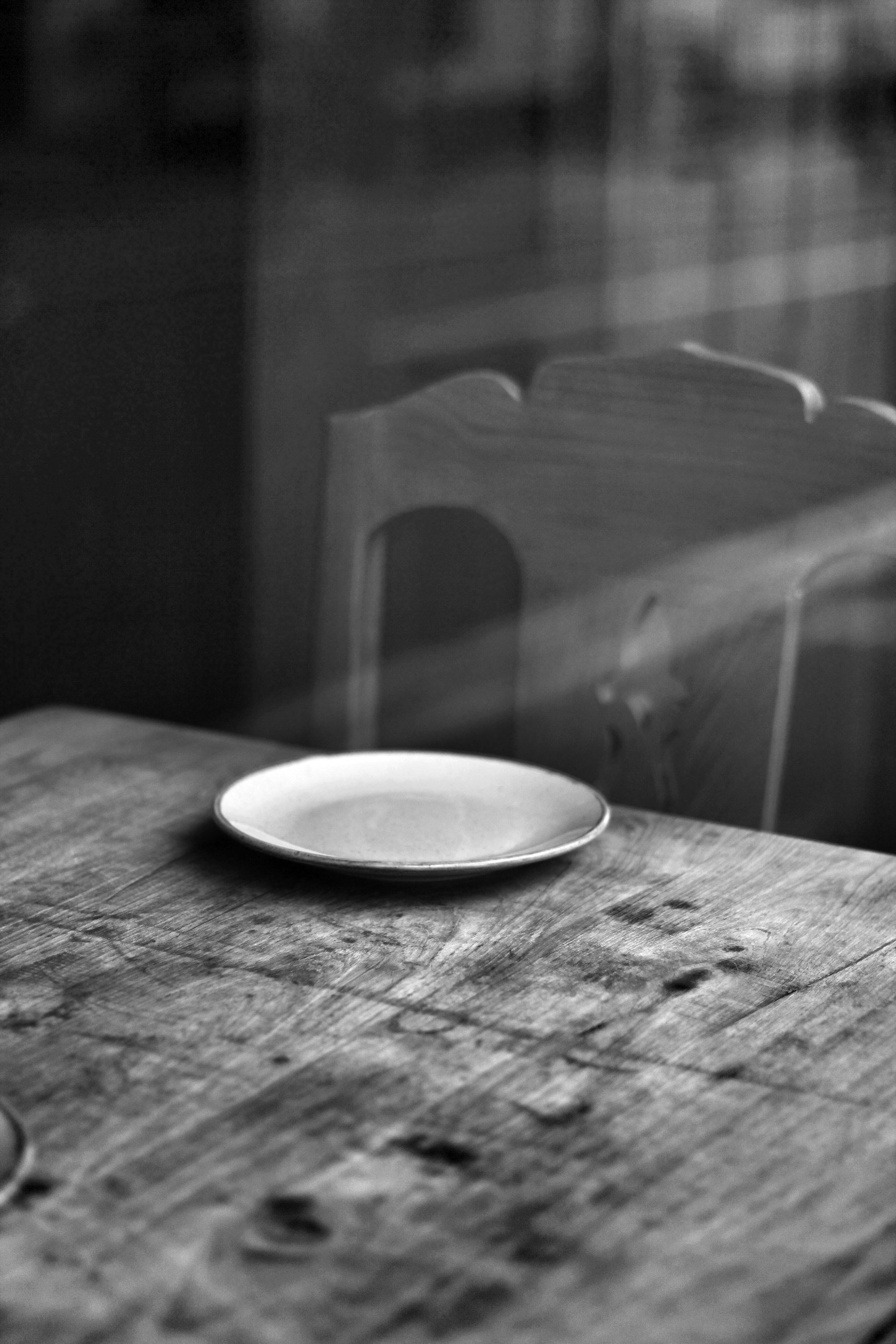
For many people, the hardest part of Thanksgiving is who isn't there. A parent who died. A marriage that ended. A family member you're estranged from. Holidays make absence louder — the empty chair is hard to ignore when everyone is gathered around the table that used to include them.
Grief doesn't take holidays off, and it doesn't follow a schedule. You can be years past a loss and still feel it sharply on Thanksgiving — that's not a sign you're stuck. It's a sign the day is built around togetherness, which makes missing someone feel more concrete. If grief is part of your Thanksgiving, it may help to name it — to yourself, or to one trusted person — rather than pushing it down. Our post on how to cope with grief when it hits out of nowhere explores this further, and grief and loss therapy can offer a place to carry it with support.
Family Dynamics Don’t Take the Day Off
Thanksgiving has a particular talent for pulling adults back into childhood roles. You may be 40 with a career and a mortgage, and within ten minutes of arriving, you're the peacemaker again, or the one who gets talked over. Old patterns are sticky — families rehearse them for decades.
Add in the topics that tend to surface — politics, parenting, careers, when you're having kids — and it's no wonder so many people feel on edge before they sit down. The tension isn't necessarily a sign your family is broken. It's often a sign that closeness and friction come as a package, and a full day together leaves little room to decompress. If setting limits with family is a recurring struggle, our work in parenting and family life counseling often starts exactly here.
The Food, the Comments, the Pressure
Thanksgiving revolves around a meal — which means it also revolves around everything people carry about food and bodies. Comments about portions or weight. Diet talk at a table full of food. The pressure to eat what your grandmother made. For anyone with a complicated relationship with food or their body, the day can feel like a minefield.
It can help to decide in advance what you will and won't engage with. You don't owe anyone an explanation for what's on your plate — "I'm good, thanks" is a complete answer. And if the food noise is the loudest part of the day for you, that may be worth paying attention to — it can be a sign of something deeper that deserves care, not shame.
Loneliness at a Full Table
One of the loneliest feelings there is: being surrounded by family and still feeling unseen. Maybe nobody asks how you actually are. Maybe you're the single one, or the new one, or the one whose life doesn't match the family script — and you can feel it in every polite question.
Loneliness isn't about how many people are in the room — it's about whether you feel known in it. If Thanksgiving leaves you feeling alone in a crowd, you're not imagining it. Our post on why you feel lonely in a room full of people explores what real connection takes, and why it can feel so out of reach.

A Few Boundaries That Actually Help
You probably can’t redesign your family’s Thanksgiving. But you can decide how you move through it:
Arrive with an exit plan. Drive yourself, or agree with your partner on a leaving time. Knowing you can leave makes staying much easier.
Build in a breather. A walk after dinner, a few minutes alone, a quick call to a friend — small pockets of space can keep the day from feeling like one long performance.
Pick your battles in advance. Decide which topics you'll engage with and which you'll let pass. "I'd rather not get into that today" is a perfectly good sentence.
Let good enough be good enough. The meal doesn't have to be perfect, and you don't have to be the happiest person at the table. Showing up as you are is enough.
It's okay to skip it. If Thanksgiving consistently costs you more than it gives you, a quieter day — with friends, or alone, or volunteering — is a legitimate choice, not a failure.
Boundaries aren't walls. They're how you protect the relationships that matter — including the one with yourself. Grounding practices help in the moment too: slow breathing, or stepping outside for a few minutes, can lower the temperature when the day feels like too much. These are core tools in mindfulness and stress reduction work.
You Don’t Have to White-Knuckle the Holidays
If Thanksgiving leaves you drained year after year, that's information worth listening to. The patterns that show up at the holiday table usually show up the rest of the year too, just more quietly. Therapy can be a place to sort through them: the family dynamics, the grief, the guilt, the boundaries you're still learning to set.
At Nurture Health Therapy Group in Palm Beach Gardens, we work with people navigating exactly these things — in person and by telehealth anywhere in Florida. Contact Us Today to schedule a free 15-minute consultation, or call or text us at 561-570-4450. The holidays will come around again next year. You don't have to face them the same way.
This post is for educational purposes only and is not a substitute for professional advice, diagnosis, or treatment. If you're in crisis, call or text 988 (Suicide and Crisis Lifeline) or text HOME to 741741 (Crisis Text Line).
