
You're Taking Care of Everyone Else—But Who's Taking Care of You?
Your aging parent needs help with doctor appointments, medications, daily tasks. Or maybe you're caring for a partner with chronic illness. A child with special needs. A family member recovering from surgery. You show up, day after day, because that's what you do. Because they need you.
But somewhere along the way, you stopped taking care of yourself. Your own health appointments get postponed. Your hobbies disappeared. Friends stopped calling because you're never available. And you're so tired—not just physically, but emotionally, mentally, spiritually depleted.
This is caregiver burnout. And if you're experiencing it, you're not failing—you're human.

What Is Caregiver Burnout?
Caregiver burnout is a state of physical, emotional, and mental exhaustion that occurs from the prolonged stress of caring for someone else—especially when your own needs consistently come last.
Signs you might be experiencing caregiver burnout:
Physical exhaustion: Constant fatigue, frequent illness, sleep problems
Emotional depletion: Feeling empty, numb, or like you have nothing left to give
Irritability and resentment: Snapping at the person you're caring for or feeling angry about your situation
Withdrawal: Isolating from friends, family, activities you used to enjoy
Neglecting yourself: Skipping meals, not exercising, postponing your own healthcare
Loss of compassion: Feeling detached or going through the motions without emotional connection
Anxiety and worry: Constant concern about their health, your ability to cope, the future
Depression: Persistent sadness, hopelessness, loss of joy
Identity loss: Forgetting who you are beyond "caregiver"
If several of these resonate, you're likely beyond normal caregiving stress and into burnout territory.
Why Caregiver Burnout Happens
The Work Never Ends
Unlike a job with defined hours and breaks, caregiving often feels relentless. Even when you're not actively providing care, you're thinking about it, planning for it, worrying about it. There's no true time off.
Your Needs Always Come Last
When someone depends on you for their wellbeing, it's hard to prioritize yourself. Your needs feel less urgent, less important. Over time, this chronic self-neglect takes a serious toll.
Lack of Control
You can't control the progression of their illness, their mood, their cooperation, or how long this will last. This lack of control creates persistent stress.
Emotional Complexity
Caregiving involves complicated feelings: love mixed with resentment, grief for what's been lost, guilt when you feel frustrated, fear about the future. These conflicting emotions are exhausting to carry.
Social Isolation
Caregiving often requires canceling plans, declining invitations, and pulling back from social life. Over time, friends drift away, leaving you increasingly isolated.
Role Reversal Strain
If you're caring for a parent who once cared for you, the role reversal can be emotionally difficult. You're watching them decline while also managing their resistance to help.
The Unique Challenge in Jupiter and Palm Beach Gardens
South Florida has a large population of retirees, meaning many people here are caring for aging parents or partners. In communities where "having it together" matters, admitting you're struggling with caregiving can feel like failure.
Plus, if you relocated to Florida specifically to help family, you might lack your own support system here—which amplifies the isolation.
Why "Just Ask for Help" Isn't That Simple
People often tell overwhelmed caregivers to "ask for help." But it's not that simple:
You might not have family nearby or willing to help
Professional help (home health aides, respite care) is expensive
You feel guilty asking when "it's your responsibility"
The person you're caring for resists outside help
You don't trust anyone else to do it right
You don't even know what kind of help you need
These are real barriers, not excuses. And they're why caregiver burnout is so common.
The Cost of Ignoring Caregiver Burnout
Your Health Suffers
Chronic stress weakens your immune system, raises blood pressure, disrupts sleep, and increases risk of serious health problems. Caregivers have higher rates of depression, anxiety, and physical illness than non-caregivers.
Quality of Care Declines
When you're burned out, you can't provide the same quality of care. You might miss medications, snap at them, or become less attentive. This creates guilt, which worsens burnout.
Relationships Deteriorate
Burnout affects your relationship with the person you're caring for and with others in your life. Resentment builds. Connection suffers. If you have a partner, your relationship likely feels the strain.
Loss of Self
When caregiving consumes your identity, you lose touch with who you were before. Hobbies, interests, goals—they all disappear under the weight of responsibility.
How to Prevent and Address Caregiver Burnout
Accept That You Have Limits
You can't do everything, be everything, or sustain caregiving indefinitely without support. Accepting your limits isn't failure—it's reality.
Build Respite Into Your Life
Even small breaks matter: a walk alone, an hour to yourself, a friend visit, a regular hobby. Respite isn't optional—it's necessary for sustainable caregiving.
Consider in-home care services, adult day programs, or asking family members to cover specific time periods.
Set Boundaries
You're allowed to say no to requests that exceed your capacity. You're allowed to maintain parts of your life that aren't about caregiving. Boundaries protect your ability to continue showing up.
Connect With Other Caregivers
Caregiver support groups (online or in-person) provide connection with people who understand without explanation. You're not alone in this, even when it feels that way.
Address Your Own Mental Health
If you're experiencing depression, anxiety, or burnout symptoms, professional support can help. You can't pour from an empty cup.
How Therapy Helps Caregivers
Validation and Permission
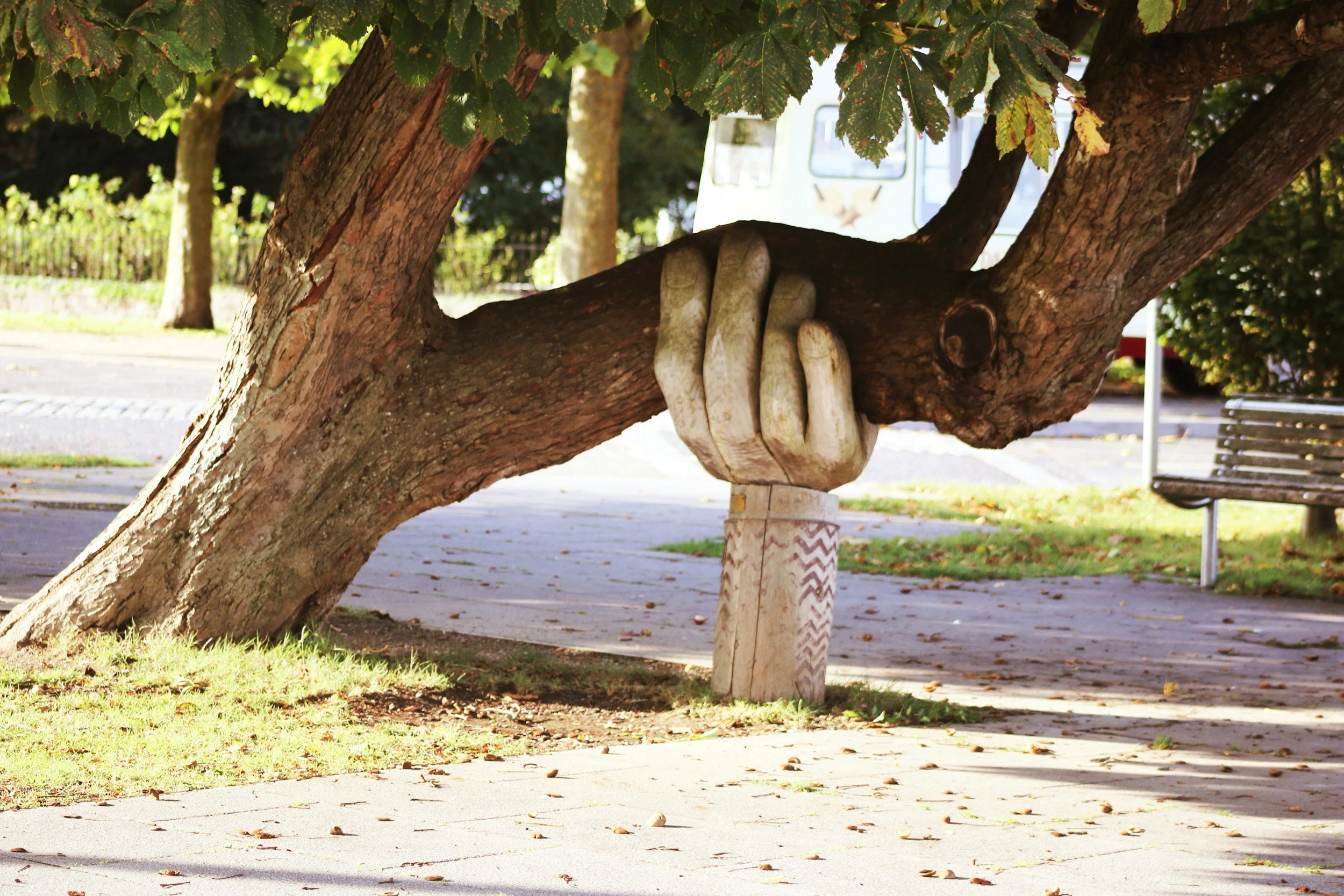
Therapy creates space to acknowledge how hard this is without judgment. You're allowed to feel overwhelmed, resentful, exhausted, or trapped. These feelings don't make you a bad person or bad caregiver.
Processing Complex Emotions
The grief, guilt, resentment, fear, and love all tangled together—therapy helps you untangle and process these without shame.
Developing Coping Strategies
We help you build practical tools for managing stress, setting boundaries, asking for help, and protecting your own wellbeing while still providing care.
Addressing Burnout, Depression, Anxiety
If you've developed mental health issues as a result of caregiving, we treat those directly. Caregiver burnout often involves treatable depression and anxiety.
Learn more about our caregiver burnout therapy.
Navigating Difficult Decisions
Caregiving involves hard choices: when to bring in outside help, whether residential care is needed, how to manage family disagreements. Therapy provides support as you navigate these decisions.
Maintaining Your Identity
We help you hold onto who you are beyond the caregiver role. You're still a whole person with needs, interests, and value outside of what you provide others.
You Can't Care for Others If You Don't Care for Yourself
This isn't selfish—it's necessary. You matter. Your health matters. Your wellbeing matters. Not just because it helps you be a better caregiver (though it does), but because you're a person who deserves care too.
At Nurture Health Therapy Group in Jupiter and Palm Beach Gardens, we understand the unique challenges caregivers face. We provide support, strategies, and a space where you can focus on yourself for once.
