
The Kids Are Gone—And You Don't Know Who You Are Anymore
For years, maybe decades, your identity revolved around being a parent. Your schedule, your worries, your conversations, your purpose—all centered on your children. And you were good at it. You showed up. You sacrificed. You built a life around their needs.
Now they're gone. Off to college, moved out, building their own lives. You're proud of them—of course you are. But in the quiet house, there's a question you can't ignore: Who am I now?
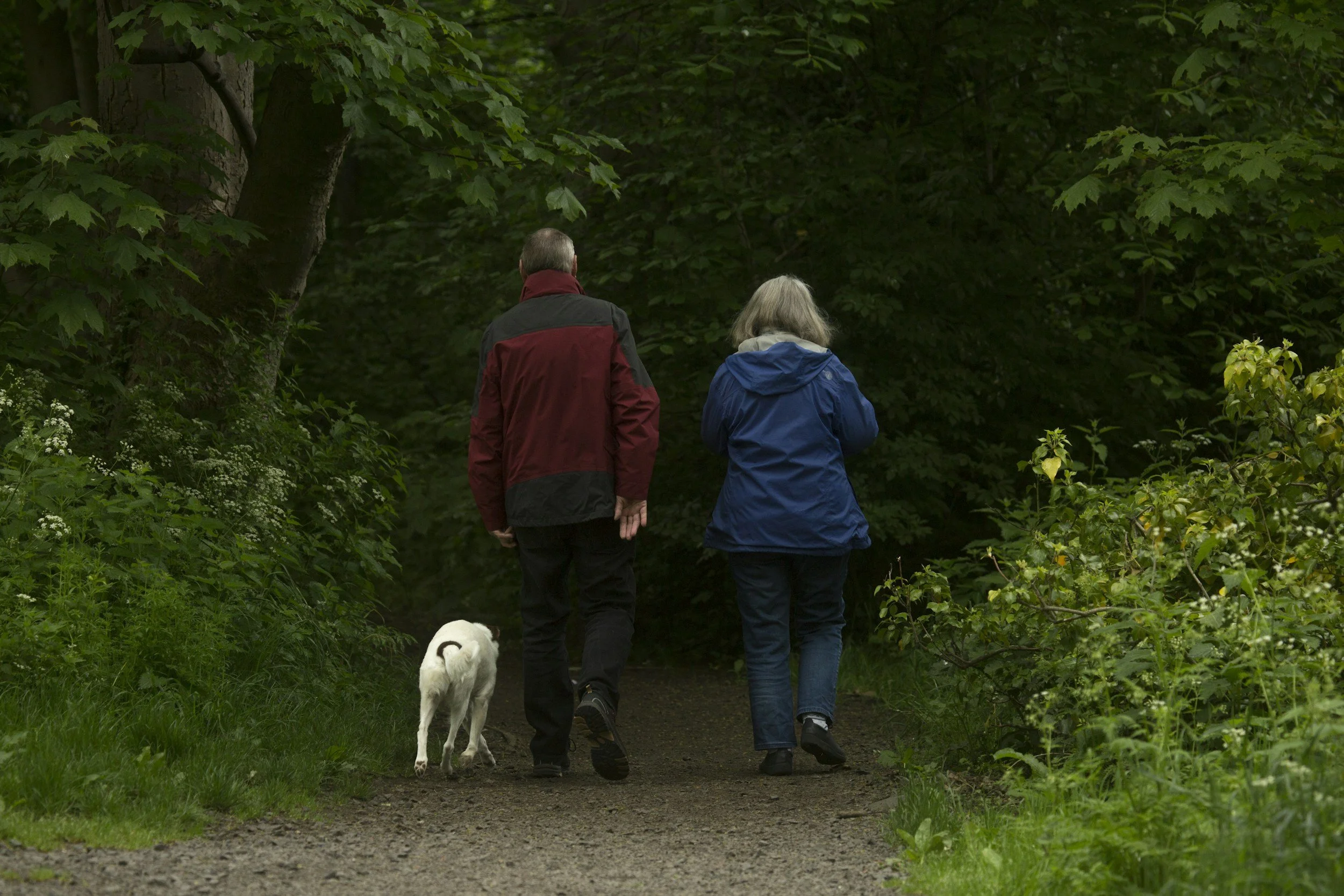
Your days feel oddly empty. Your sense of purpose feels unclear. The relationship with your partner (if you have one) feels distant—you've been co-parents for so long, you're not sure how to just be partners. And everyone keeps saying you should be thrilled to have your freedom back. So why do you feel so... lost?
Empty Nest Syndrome Is Real
Empty nest syndrome isn't an official diagnosis, but it describes a very real experience: the grief, loss of identity, and sense of purposelessness that can follow when children leave home.
You might be experiencing:
Deep sadness or frequent crying
Loss of purpose or direction
Anxiety about your children's wellbeing (even though they're adults)
Loneliness and silence that feels oppressive
Questioning what your life is about now
Difficulty finding joy in activities you used to enjoy
Marital tension as you navigate this transition together
Wondering if this feeling will ever pass
This isn't about being overly attached or codependent. It's about navigating a major life transition that fundamentally alters your daily reality and sense of self.
Why the Empty Nest Hits Harder Than Expected
Identity Loss
If your primary identity for 18+ years has been "parent," its sudden absence creates a void. You might not have developed other aspects of yourself—career, friendships, hobbies, personal goals—because parenting consumed your time and energy.
Now you have time, but you're not sure who you are outside the parenting role.

Grief for the Relationship That Was
You're not just missing your kids' physical presence. You're grieving:
The closeness and daily connection
Being needed in the immediate, tangible ways young children need you
The version of them that no longer exists (your baby, your little kid, your teenager)
The family dynamic that defined your home
This is real loss, even though your children are healthy and thriving.
Sudden Awareness of Aging
When your kids leave, you're forced to confront your own aging. The chapter of active parenting is closed. Time is passing. Your body might be changing. Retirement might be on the horizon. These realizations can trigger existential anxiety.
Relationship Shifts
If you have a partner, you might suddenly realize you've been functioning as co-parents rather than romantic partners for years. The kids provided constant conversation topics, shared focus, and distraction from relationship issues. Now it's just the two of you—and you might not know how to connect anymore.
If you're navigating this transition in your marriage, couples therapy can help you reconnect.
Why "Enjoy Your Freedom!" Doesn't Help
Well-meaning people probably tell you to enjoy this phase—travel, pursue hobbies, relax. And logically, you know they're right. You do have more freedom now. But when you're grieving, "look on the bright side" feels dismissive.
You're allowed to feel sad about this transition even while recognizing its positives. Both can be true.
The Unique Challenge for Parents in Jupiter and Palm Beach Gardens
In South Florida's achievement-oriented culture, there's often pressure to immediately pivot into the "next chapter" with enthusiasm. Everyone's posting about their fabulous empty-nest travels or new pursuits. Meanwhile, you're at home feeling adrift and wondering what's wrong with you.
There's nothing wrong with you. Transitions take time. And you're allowed to grieve even when you're "supposed to" be celebrating.
How Therapy Helps You Navigate This Transition
Validating the Grief
Therapy creates space to acknowledge the loss without judgment. You're not being dramatic or overly attached. This is a significant life change, and your feelings are valid.
Rebuilding Identity
We help you rediscover (or discover for the first time) who you are outside of parenthood. This might involve:
Reconnecting with interests you set aside years ago
Exploring new pursuits that genuinely interest you
Defining your values and priorities for this life stage
Building an identity that's multifaceted, not solely role-based
Navigating Relationship Changes
If you're partnered, this transition requires renegotiating your relationship. Therapy helps you:
Reconnect emotionally and physically
Rediscover what you enjoy doing together
Address any resentments or disconnection that developed during parenting years
Build a partnership that's fulfilling for this stage of life
Redefining Purpose
Parenting provided clear purpose: raise healthy, happy, capable humans. Without that daily focus, you might feel aimless. Therapy helps you explore:
What brings you fulfillment now?
What contributions do you want to make?
What does a meaningful life look like in this chapter?
Processing Existential Questions
Empty nest often triggers bigger questions about mortality, legacy, and life's meaning. These aren't questions with simple answers, but therapy provides space to explore them without judgment.
Managing Anxiety About Your Children

Many parents struggle with letting go—worrying excessively about their adult children, checking in too often, or feeling anxious when communication drops. We help you find balance between staying connected and allowing appropriate independence.
What Successful Transition Looks Like
Moving through empty nest syndrome doesn't mean you stop missing your kids or caring about them. It means:
Finding purpose and fulfillment in this new stage
Having an identity beyond "parent"
Enjoying your relationship with your partner (if applicable)
Staying connected with your adult children in healthy ways
Feeling excited about this chapter, not just resigned to it
Building a life that feels full, not empty
People who successfully navigate this transition often say, "I didn't think I'd enjoy this phase, but I actually love it now."
This Transition Doesn't Have to Happen Alone
If the empty nest has left you feeling lost, depressed, or disconnected, you don't have to figure it out alone. This is a major life transition, and seeking support is wise—not weak.
At Nurture Health Therapy Group in Jupiter and Palm Beach Gardens, we work with many parents navigating this exact transition. We understand the complexity—the grief mixed with relief, the loss mixed with possibility. And we're here to help you find yourself again in this new chapter.
If the empty nest has stolen your sense of purpose, contact us today. Our free consultation can help you understand how therapy might support you through this transition—and what's possible on the other side.
