
Who Am I Now? Navigating Identity Loss After Becoming a Parent
Before the baby, you were someone. You had interests, a career identity, friendships built on more than coordinating nap schedules. You knew who you were.
Now? You're "Mom" or "Dad." And while you love your child fiercely, there's a quiet, uncomfortable truth you might not feel safe saying out loud: you miss yourself.
Your days revolve around feeding schedules and diaper changes. Conversations center on milestones and sleep training. Your body has changed. Your relationship has changed. Your entire life has reorganized itself around this tiny person—and somewhere in that reorganization, you got lost.
If you're feeling this way, you're not broken. You're not ungrateful. You're experiencing something deeply common that we just don't talk about enough: the identity shift of new parenthood.
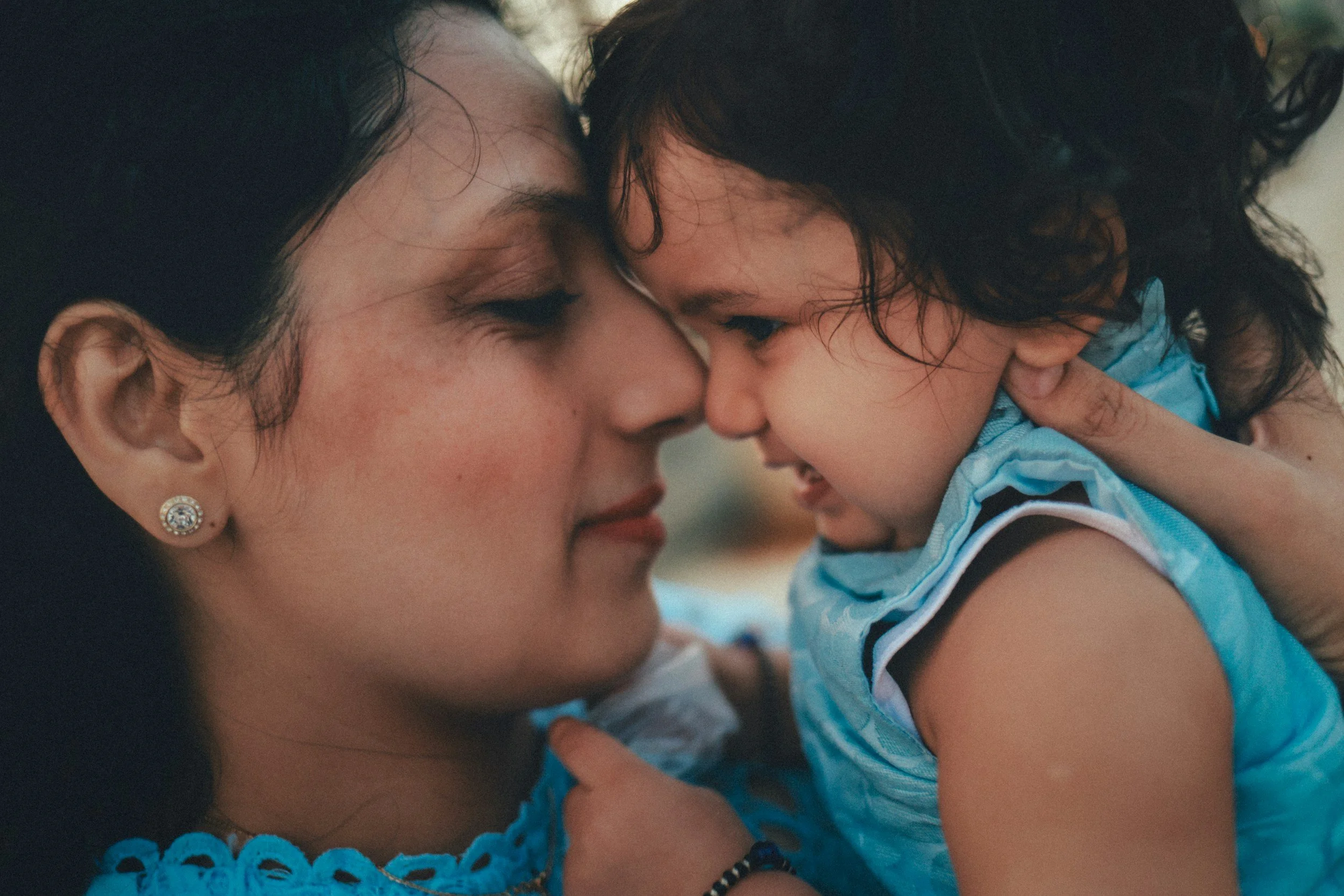
The Transition Nobody Fully Prepares You For
People warn you about sleep deprivation and diaper blowouts. What they don't tell you is that becoming a parent requires a fundamental reorganization of your sense of self. It's one of the most significant identity transitions you'll ever experience—and it happens while you're also dealing with exhaustion, hormonal shifts, and the weight of keeping a human alive.
You might be struggling with identity loss if:
You feel disconnected from who you used to be
Your pre-baby interests and hobbies feel distant or impossible
You resent how much of yourself has been consumed by parenting
You feel guilty for missing your old life
Your relationship with your partner feels more like a co-parenting arrangement than a partnership
You look in the mirror and barely recognize yourself
You wonder if you'll ever feel like "you" again
This isn't postpartum depression (though the two can coexist). This is grief for the life and version of yourself that existed before—and that's allowed to be complicated.
Why Identity Shift Hits So Hard
Society's Narrative Is Too Simple
The cultural script tells us that parenthood is joyful, fulfilling, and natural. And it can be all those things. But it's also hard—emotionally, physically, relationally. When your experience doesn't match the glossy narrative, you might feel like something is wrong with you. Spoiler: nothing is wrong with you.
You've Lost More Than Time
Yes, your schedule is packed. But it's not just about time. You've also lost:
Autonomy: Your body, schedule, and energy are no longer fully your own
Spontaneity: Everything requires planning and logistics
Professional identity: Especially if you've stepped back from work or your career has shifted
Social connections: Friendships that don't accommodate your new reality often fade
The relationship you had with your partner: Romance gets replaced by task management
These are real losses. They deserve to be acknowledged, not dismissed as "just part of parenting."
Your Brain Is Literally Changing
Neuroscience shows that becoming a parent changes your brain—particularly areas related to empathy, anxiety, and social processing. This isn't bad, but it is profound. Your brain is rewiring itself, and that process can feel disorienting.
The Weight of Parenting in South Florida
Here in Jupiter and Palm Beach Gardens, there's often added pressure to make parenthood look effortless. Social media amplifies this—everyone's kids seem better behaved, their homes cleaner, their lives more balanced. Meanwhile, you're just trying to get through the day without losing it.
Add in the isolation that comes with new parenthood (especially if you're far from family or don't yet have a parent community), and the identity crisis intensifies. You're going through one of life's biggest transitions without a roadmap—and often, without adequate support.
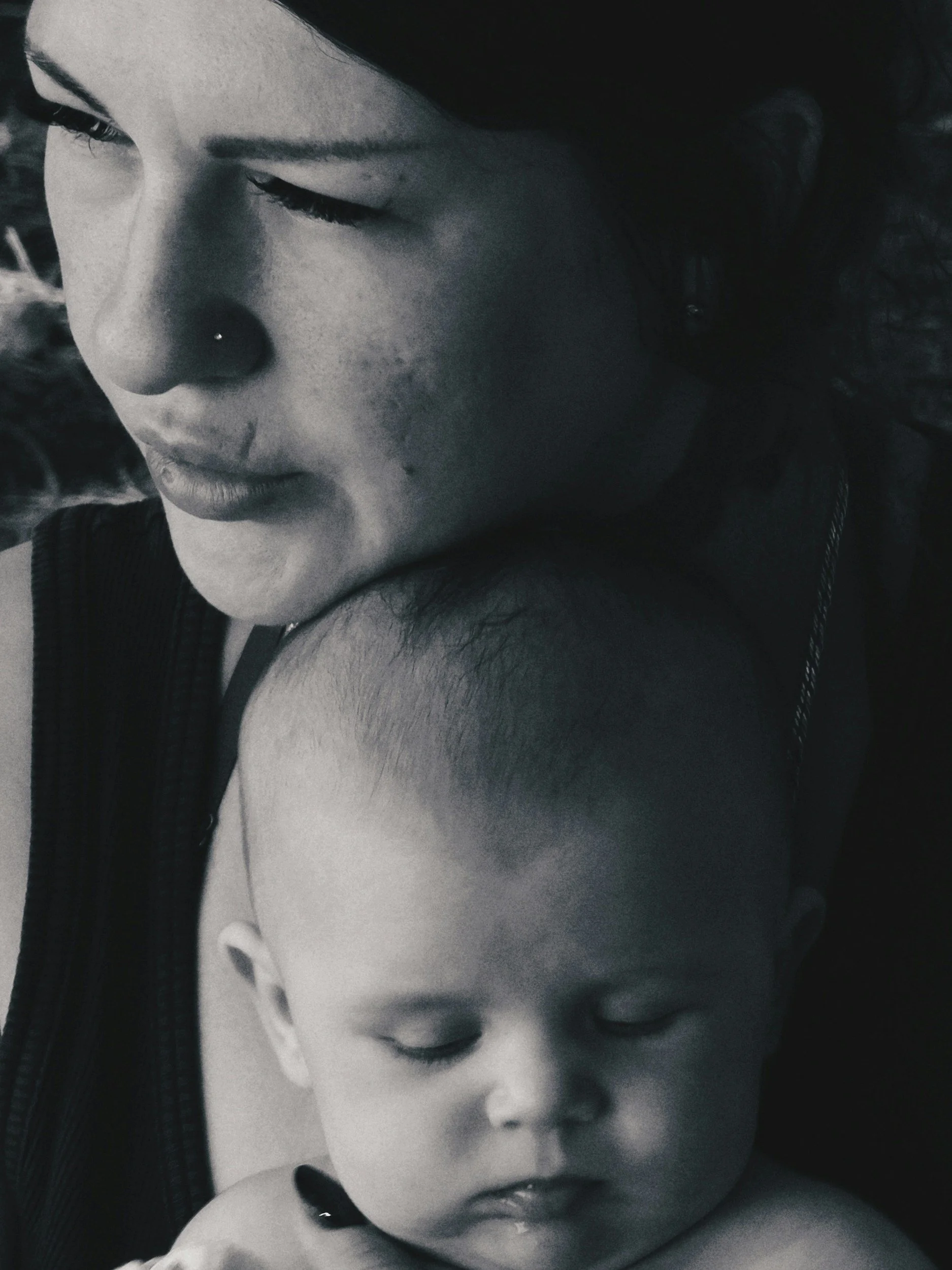
When Identity Loss Becomes a Mental Health Issue
Some identity struggle is normal. But if you're also experiencing persistent sadness, hopelessness, rage, intrusive thoughts, or difficulty bonding with your baby, you might be dealing with postpartum depression or postpartum anxiety.
Warning signs that it's time to seek help:
You feel numb or disconnected most of the time
You have thoughts of harming yourself or your baby
You're unable to sleep even when the baby sleeps
You feel intense guilt or worthlessness
You're isolating more than usual
You're not functioning in daily tasks
These symptoms are treatable. Our therapists specialize in parenting transitions and postpartum mental health, and we can help you feel like yourself again.
How Therapy Helps You Find Yourself Again
Validating the Complexity
Therapy creates space to voice the conflicting feelings: I love my child AND I miss my old life. Both can be true. You don't have to choose.
Grieving What's Changed
You're allowed to grieve the loss of your pre-parent self, even as you embrace your new role. Therapy helps you process that grief instead of pushing it down—because unacknowledged grief often turns into resentment or depression.
Rebuilding Identity
You're not the same person you were before becoming a parent. But you're also not only a parent. Therapy helps you integrate your old and new identities, reclaim parts of yourself that matter, and build a sense of self that includes—but isn't limited to—parenthood.
Strengthening Your Relationship
New parenthood is hard on partnerships. We offer couples counseling to help you reconnect beyond the logistics of parenting, address resentment, and rebuild intimacy.
Practical Strategies
Therapy isn't just processing feelings (though that's important). We also help you develop concrete strategies for carving out space for yourself, managing overwhelm, and building support systems.
You're Still In There
The person you were before your baby? They're still in there. Changed, yes—but not gone. And you don't have to choose between being a good parent and being yourself. You can be both.
Recovery isn't about going back to who you were. It's about integrating who you've become. And that's work worth doing—for you, for your child, and for your family.
Find Support in Jupiter and Palm Beach Gardens
If you're struggling with the identity shift of new parenthood, you don't have to navigate it alone. At Nurture Health Therapy Group, we understand the complexity of this transition—and we're here to help you find yourself again.
We offer both in-person and virtual therapy sessions because we know getting out of the house with a baby is hard. And we provide a judgment-free space where you can say the things you're afraid to say anywhere else.
