
You Spent Decades Working Toward Retirement—So Why Does It Feel So Empty?
You did everything right. You built a career, saved diligently, planned for this day. Retirement was supposed to be freedom—golf, travel, relaxation, finally doing all the things you never had time for.
Instead? You feel adrift. Purposeless. The days stretch long and unstructured. Nobody needs you the way they used to. You miss the routine, the challenges, even the stress. And you're wondering: Is this really it? Is this what I worked so hard for?
If retirement feels disappointing or even depressing, you're not alone. And it doesn't mean you made a mistake—it means you're navigating one of life's most significant identity transitions without adequate support.
Why Retirement Is Harder Than Expected
We spend decades building toward retirement, but rarely prepare for the psychological and emotional impact of leaving work behind. The loss is more profound than most people anticipate.
Loss of Identity
For 30, 40, sometimes 50 years, your career defined you. When someone asked "What do you do?" you had an answer. Your profession gave you identity, status, and a sense of who you were in the world.
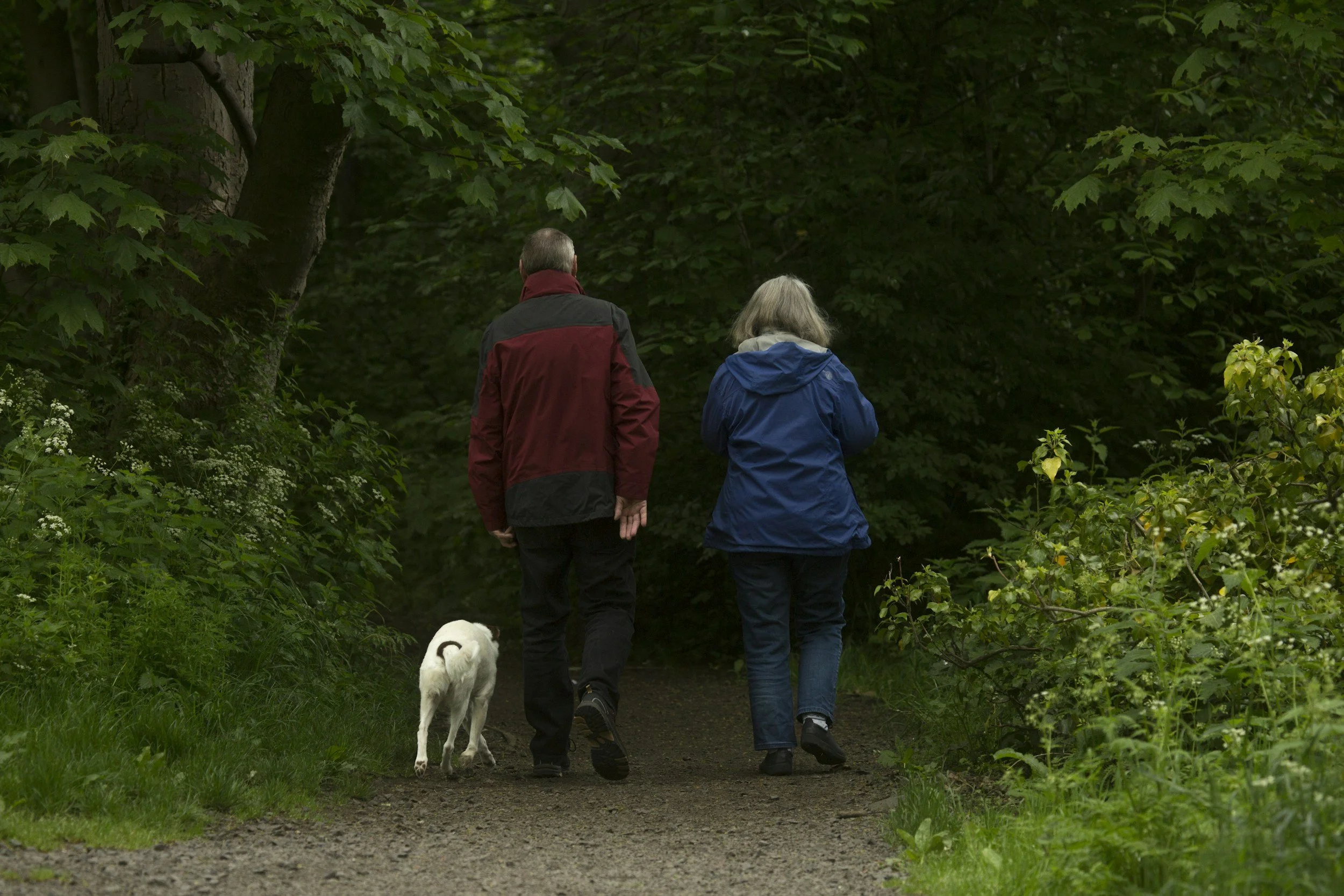
Now? "I'm retired" feels hollow. You're defined by what you're not doing rather than what you are doing. That identity void can be destabilizing.
Loss of Structure
Work provided structure: wake-up times, routines, deadlines, meetings, projects. Even if you complained about it, that structure organized your life and gave your days shape.
In retirement, structure disappears. Suddenly you have complete freedom—which sounds great until you realize freedom without purpose feels aimless.
Loss of Social Connection
Many of your friendships and social interactions likely revolved around work. Colleagues, industry connections, professional networks—these relationships often fade after retirement, leaving social isolation in their wake.
Especially here in Jupiter and Palm Beach Gardens, where social circles can feel established and hard to break into, building new friendships in retirement can be challenging.
Loss of Purpose
Work—whether you loved it or not—provided purpose. You solved problems, contributed value, made a difference (even in small ways). You were needed.
Retirement removes that external source of purpose, and many people struggle to find internal sources to replace it.
Loss of Challenges
You might have thought you wanted relaxation. But humans need challenges, growth, and learning to feel fulfilled. Retirement's lack of challenge can lead to boredom, stagnation, and depression.
When Retirement Triggers Depression
Retirement depression is a real phenomenon. You might be experiencing it if you notice:
Persistent sadness or emptiness
Loss of interest in activities you thought you'd enjoy
Sleeping too much or too little
Feeling worthless or like you no longer matter
Difficulty concentrating or making decisions
Withdrawing from social activities
Increased irritability or anger
Physical symptoms: fatigue, aches, digestive issues
If these symptoms sound familiar, our depression therapy can help you address them.
The Unique Pressure of Retirement in South Florida
Palm Beach County has one of the largest retiree populations in the country. On the surface, everyone seems to be thriving—active, social, enjoying paradise. This can make your struggle feel even more isolating.
When everyone around you appears to be loving retirement, admitting you're miserable feels shameful. But beneath the surface, many retirees are quietly struggling with the same feelings you are.
Relationship Strain in Retirement
Retirement doesn't just affect you—it affects your relationship. Common tensions include:
Too much togetherness: If your partner is also retired, you're suddenly together 24/7, which can create friction
Different expectations: One partner wants adventure and activity, the other wants rest and routine
Role shifts: Division of labor and household responsibilities often need renegotiation
One partner's mood affecting the other: If you're struggling, your partner likely feels it too
If retirement is straining your marriage, couples therapy can help you navigate this transition together.
How Therapy Helps You Navigate Retirement
Processing the Grief
Yes, grief—even though retirement was your choice. You're allowed to mourn your career, your identity, your routine, your sense of contribution. Therapy creates space to process this loss without judgment.
Rebuilding Identity
Therapy helps you answer the question: Who am I beyond my career? This involves:
Rediscovering interests and values that got buried during working years
Exploring new aspects of yourself
Building an identity that's multifaceted and not role-dependent
Defining yourself by who you are, not what you do
Finding Purpose
Purpose doesn't disappear with retirement—it just needs to be redefined. We help you explore:
What brings you fulfillment now?
How do you want to contribute during this chapter?
What legacy or impact matters to you?
What does a meaningful retirement look like for you specifically?
This might involve volunteering, mentoring, creative pursuits, community involvement, learning, or something entirely unique to you.
Creating Structure
We help you build structure that provides routine without rigidity—enough to organize your days but not so much that it feels like work. The right balance varies by person.
Addressing Existential Questions
Retirement often triggers bigger questions about mortality, legacy, and life's meaning. You've reached the "finish line" you worked toward for decades—now what? These aren't questions with easy answers, but therapy provides space to explore them.
Managing Depression and Anxiety
If retirement has triggered mental health struggles, we address those directly with evidence-based approaches. You don't have to "just adjust" or "give it time"—you can get active support.
What Successful Retirement Looks Like

People who thrive in retirement often describe these shifts:
"I stopped waiting to feel happy and started building a life that feels meaningful"
"I defined success on my own terms instead of external metrics"
"I found community and purpose in unexpected places"
"I'm learning and growing in ways I couldn't when I was working"
"I finally have time to be the person I always wanted to be"
This doesn't happen automatically—it requires intention, often trial and error, and sometimes support.
You're Not Ungrateful—You're Adjusting
Struggling with retirement doesn't mean you're ungrateful or that something's wrong with you. It means you're navigating a massive life transition that's more complex than it appears.
At Nurture Health Therapy Group in Jupiter and Palm Beach Gardens, we work with many retirees who are figuring out this next chapter. We understand the unique challenges of retirement in South Florida, and we're here to help you build a life that feels fulfilling, not just free.
Learn more about our retirement and aging counseling services.
